

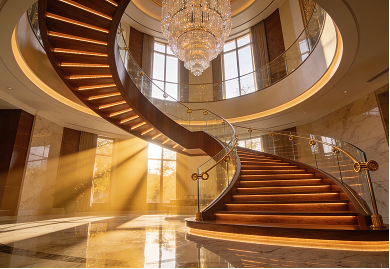
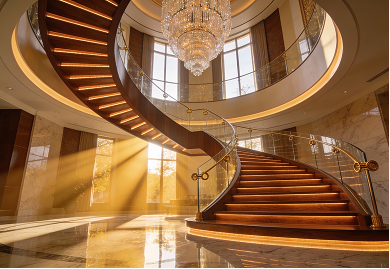
Exterior Floating Stairs | Custom by DBM Factory
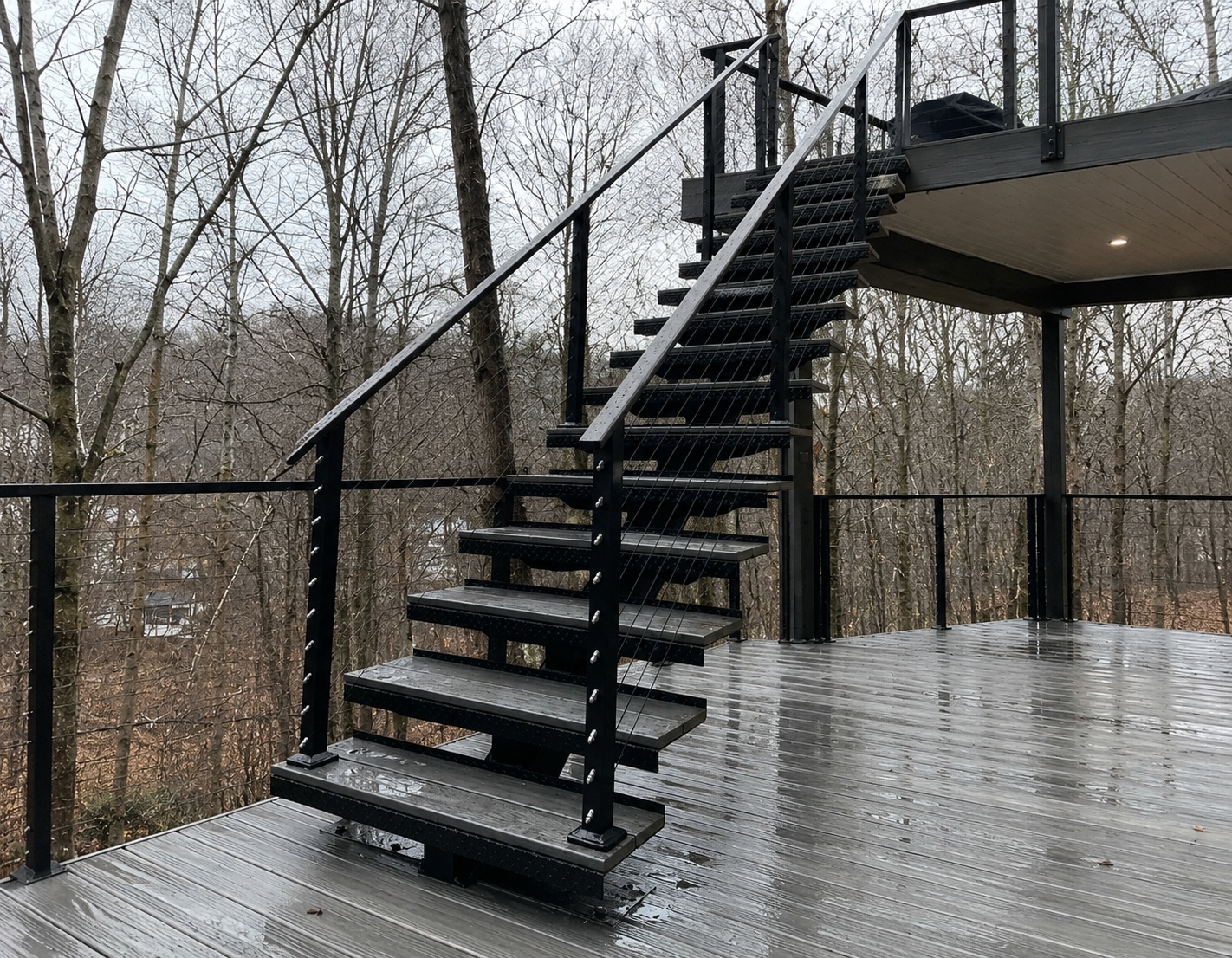


Exterior Floating Stairs
Exterior floating stairs read as a single quiet line. The treads cantilever out, the support sits hidden inside the wall, and the open look becomes the entry's signature gesture.
We design and build each floating staircase to your drawing. Share a sketch or design reference, and we work out the hidden structure and the visible material.
Decide the Tread & the Pairing
Solid Timber Tread — Villa & Modern Home
Ipe, teak, or oak plank with marine-grade finish. Warm underfoot for an entry that wants the floating look without the cold-industrial feel.
Concrete-Filled Steel Pan — Quiet Step
A steel pan poured with concrete and sealed. The tread feels solid underfoot — common for hospitality and apartment entries where many people pass each day.
Hidden Stringer — Wall-Embedded
Stainless or carbon steel inside the wall pocket or behind cladding. The visible side stays clean — the structure does its work out of sight.
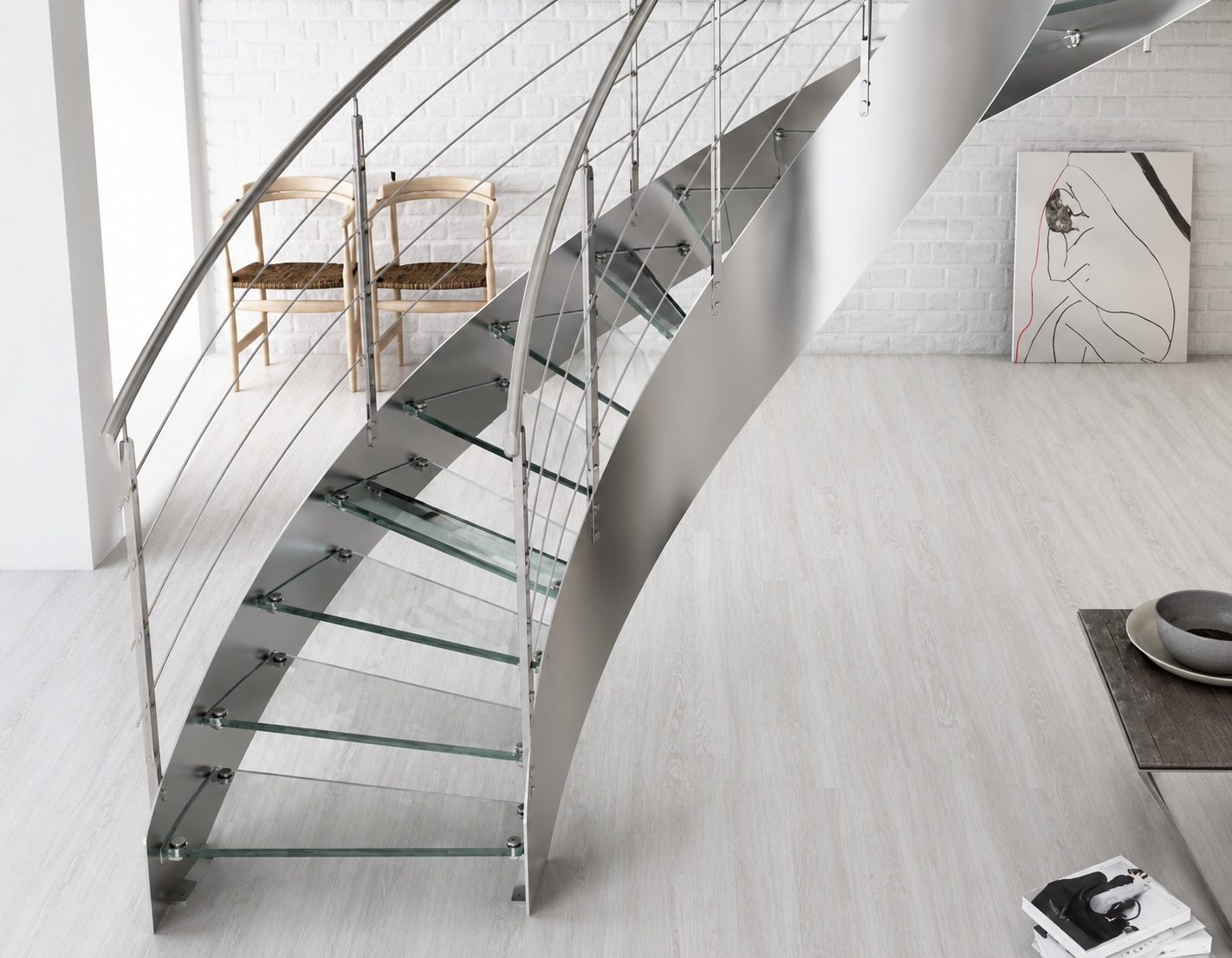
Glass Railing Pair — Frameless Look
Frameless tempered laminated glass with stainless standoff fittings on the wall side. The cleanest pairing when the brief is "no visible structure."
Where It Fits — Four Common Project Types
Villa & Country Home Entries
Garden levels, terrace approaches, courtyard entries. The floating look brings the inside-architecture gesture outside, where the eye reads it as one quiet line.
Modern New Home Build
Drawn in from the architect's plans — outdoor entry, balcony, or upper-deck access. Hidden support and timber treads give the front-of-house its statement piece.
Apartment Statement Spaces
Penthouse terraces, premium-unit entries, shared rooftop runs. Frameless glass railing finishes the floating-cantilever look without breaking the line.
Boutique Hospitality Owners
Small hotels, guesthouses, restaurant gardens where the entry is part of the brand. Often used when the owner wants a single quiet piece rather than a busy structure.
From Sketch to Site — Three Stages
Share a sketch, photo, or design reference. We turn it into a working drawing for the hidden stringer, the cantilever span, the tread thickness, and the wall-pocket detail.
Every staircase is fully assembled and photographed in our Guangdong workshop before being taken apart for shipping. Each tread, stringer, and standoff arrives labeled for on-site fit.
Wooden crates built for ocean freight, packed in the order your installer will assemble. Glass panels are crated separately. Shipped to 60+ countries — including the USA, Australia, and the EU.
After delivery, your contractor or installer handles fitting. We provide an assembly guide and a step-by-step video. Where local installation is available in your region, we can help you find a vetted installer.
Exterior Floating Stairs
When the Floating Look Steps Outside — Protecting the Open Cantilever Against the Weather.
A floating entry reads as one quiet line, with each tread reaching out from the wall and the support hidden from view. Indoors that look is straightforward. Outdoors the same open cantilever now has to keep its clean appearance while rain, sun, and salt work on it every single day.
Owners usually reach us once they have set their heart on that floating gesture for an outdoor entrance. They love the open risers and the unbroken line. What they weigh is how that delicate look survives the weather, so the visible tread and the hidden steel both last without spoiling the effect.
Why the Hidden Steel Matters as Much as the Tread.
A floating flight carries its whole load through a stringer buried inside the wall. That hidden steel does the structural work, so it has to resist rust in a place nobody can easily inspect later. We specify the grade and the protective treatment for the exposure, because a buried part is the last place anyone wants rust to begin.
The visible tread then faces a different daily test out in the open. Solid timber wants a marine-grade finish to hold its colour against the sun, while a concrete-filled pan gives a heavier, weather-steady step underfoot. Each option keeps the open-riser look, yet each ages differently once the elements reach it.
So the conversation balances the appearance against the exposure from the very start. We study the wall, the orientation, and the local climate together first. The working drawing then resolves both the hidden structure and the visible material as one connected decision.
How the Floating Entry Changes With Its Setting.
A Sheltered Porch vs a Fully Open Entry.
How much cover the entrance has shapes the whole specification. A recessed porch shields the treads from direct rain, so timber holds up comfortably with a regular maintenance coat. A fully exposed entrance facing the sky asks for a tougher tread and a heavier protective finish, because nothing intercepts the weather before it lands on each step.
Keeping the Tread Slim vs Building It to Last.
The floating look lives or dies on how thin each tread reads. A slim profile keeps the line light and the cantilever convincing, yet outdoors a thicker section sheds weather and holds its shape better over the years. So the design works the two against each other, trimming the visible edge as fine as the span and the exposure sensibly allow. We draw the tread depth to hold the floating effect while still carrying the load and the weather the entrance faces.
A Masonry Wall vs a Framed Pocket.
What the treads anchor into guides how we detail the hidden stringer. A solid masonry or concrete wall accepts a deep embedded support, fixed firmly within the structure your side builds. A framed wall instead needs a steel backing detail behind the cladding, so the cantilever stays rigid and the visible face still reads as one clean plane.
What Coordination Looks Like for a Floating Entry.
Drawing-First Coordination begins with the wall and the cantilever it has to carry. We pin down the wall type, the embedment detail, and the tread reach before we cut any metal. The finish specification is also set here, so the hidden steel and the visible tread both suit the exposure the entrance will face.
Trial Assembly Before Packing then stands the whole flight upright across our Guangdong workshop floor. We confirm each tread reach and the stringer alignment, apply the finish, and review the line one step at a time. We photograph the result and take it apart with care, labelling every part, so the build on your side becomes a clean, ordered job rather than guesswork at the wall.
Export-Ready Crating then protects the finished treads and the hidden steel across the long ocean passage. Any glass railing travels in its own separate crate for safety. We pack the parts in assembly order and seat the heaviest pieces low, so the crate arrives ready to open and fit against the working drawing.
What to Send Us About the Entrance.
A rough sketch or a quick phone photo of the wall and the approach gives us a solid starting point. Add the floor-to-floor height, which simply means the climb from the lower surface up to the entrance level. Then tell us what the wall is built from, since that governs how the hidden support anchors.
One further note helps us match the look to the weather. Tell us how exposed the entrance feels, whether a porch shelters it, and which tread you picture underfoot. From there we turn your notes into a working drawing and a stair ready to ship.
After delivery, fitting is on your side — on site, your contractor or installer handled fitting directly from our drawings. Follow our assembly guide and step-by-step video, or use your own local installer where needed.
Chat on WhatsApp →Compare the Custom Outdoor Curved Staircase → · see the Outdoor Spiral Staircase → · browse the full Outdoor Staircase range → · or explore all our staircases →