

Prefabricated Stairs | Custom by DBM Factory
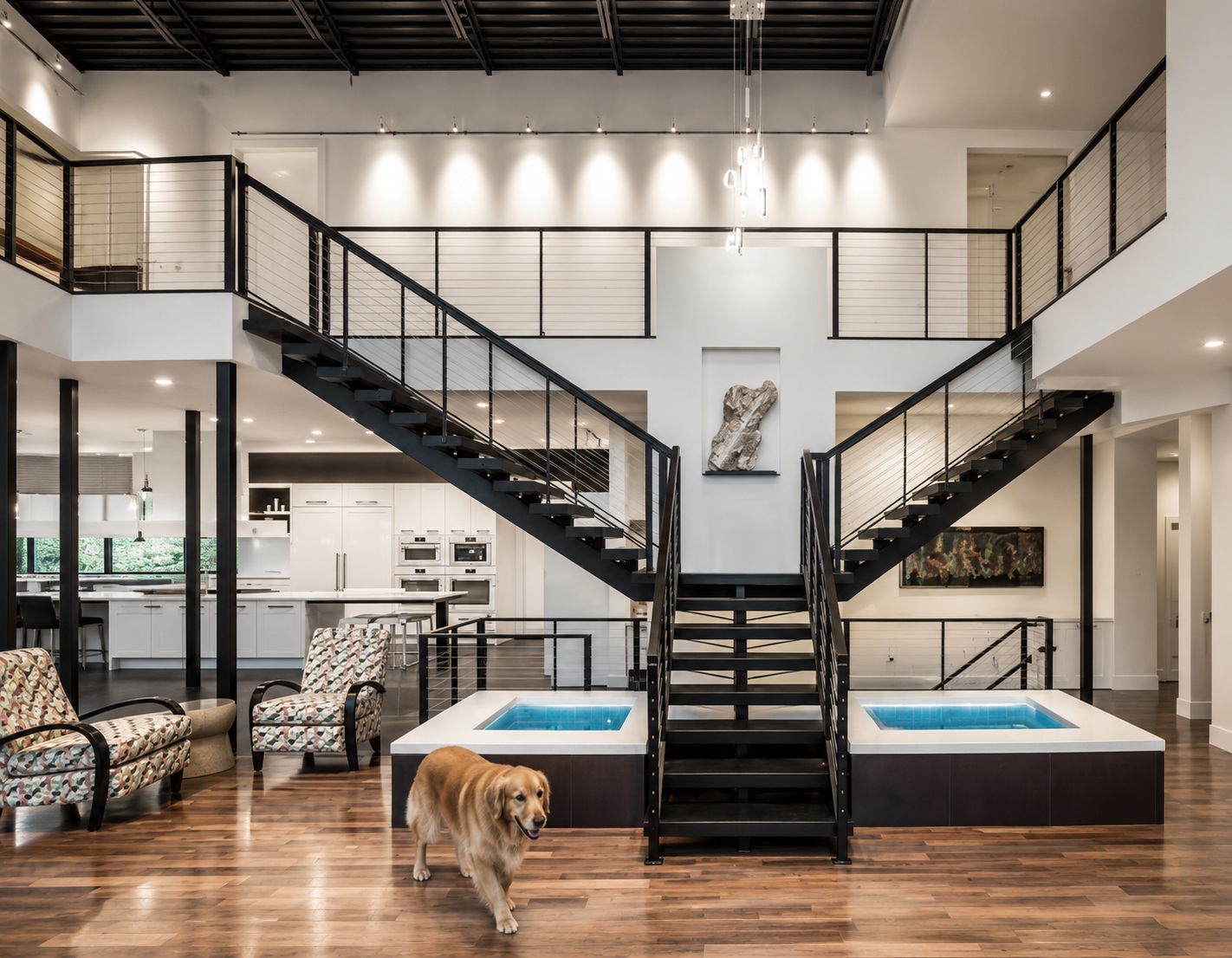
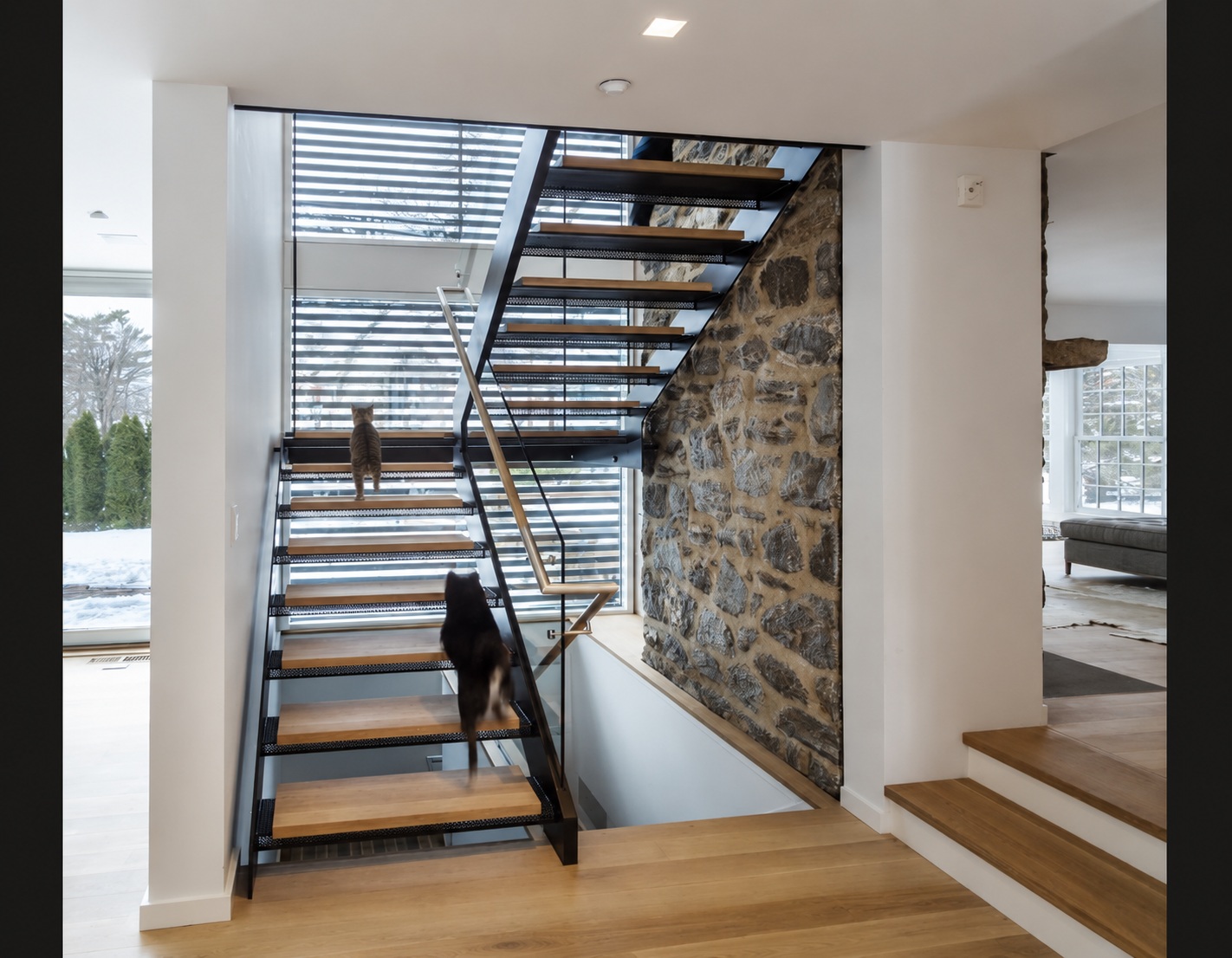


Prefabricated Stairs
Prefab straight stairs ship in pre-made sections, ready to bolt together on site. One drawing, repeated cleanly across many units. The practical answer when ten townhouses, twenty serviced apartments, or a row of new builds all need the same stair.
We design the kit around your repeat dimensions and finish. Send one floor plan and quantity; we turn it into a working drawing and the matching number of sets, each crated for ocean freight.
Pick the Kit Configuration That Repeats Well
Stringer Style — Twin Side / Mono / Box
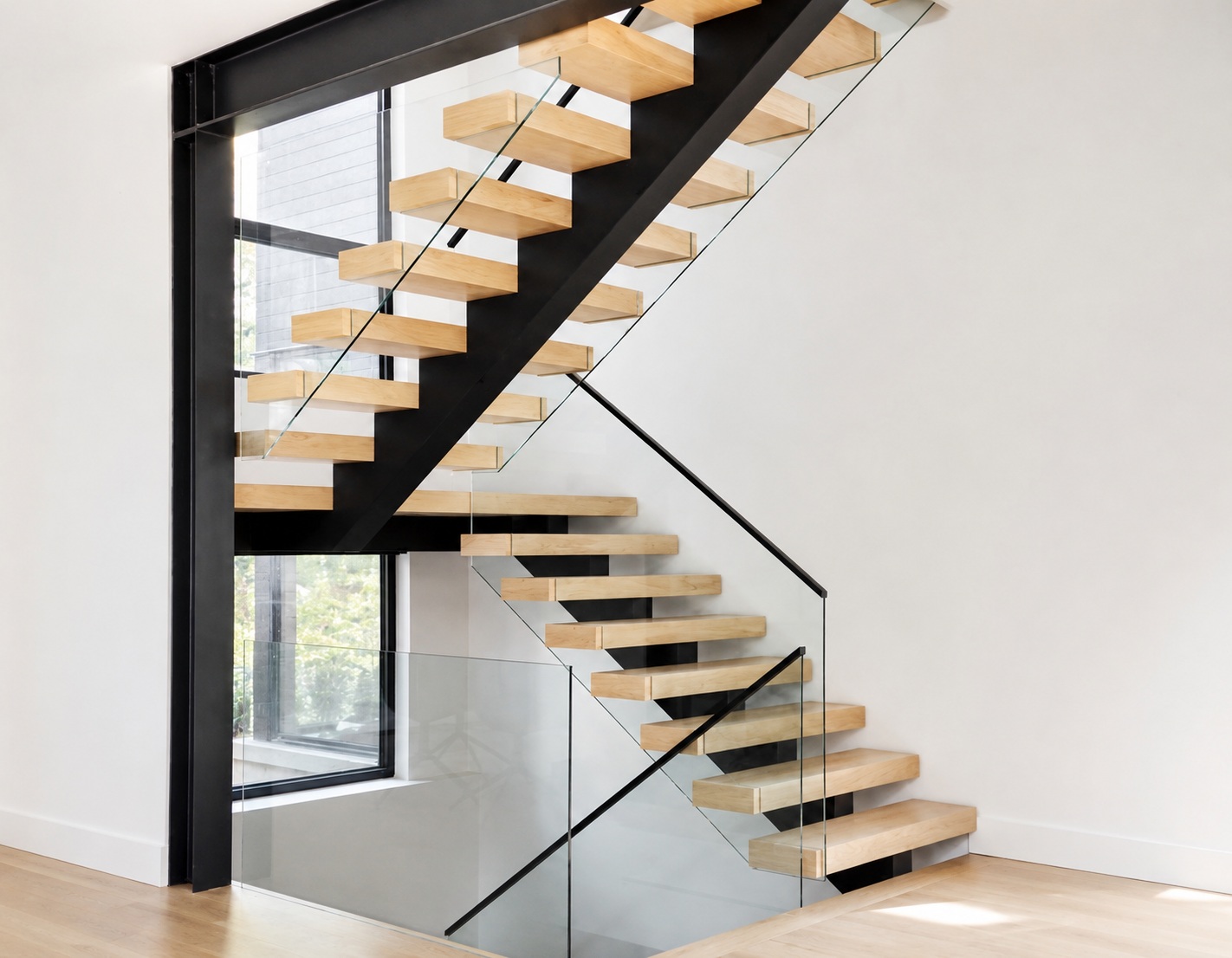
Twin-side stringer is the most repeat-friendly — bolt-together, predictable on site. Mono and box stringer kits are available where the design calls for it.
Tread Material — Steel Pan / Timber / Stone
Steel pan tread for back-of-house and service kits. Timber tread for residential repeats. Stone tread where the developer specifies a higher finish for entries.
Finish Options — Galvanized / Powder-Coat
Hot-dip galvanized for exposed and service runs. Powder-coat in a chosen colour where the kit lives in finished interiors and the look matters as much as the duty.
Configuration — Single Flight / With Landing
Most prefab kits are single-flight straight runs. Mid-landing configurations are available where floor-to-floor height needs a break or the floor plan turns.
Where It Fits — Four Common Project Types
Batch Renovation
When a row of townhouses or a block of older apartments needs the same stair replaced. One prefab straight stair kit, repeated to the same drawing — each unit comes off the crate in the same condition.
Apartment Repeat & Duplex Build
Serviced apartments, hotel back stairs, townhouse blocks. Kit-form straight stairs ship ready to bolt — the same finish, the same dimensions, on each floor of each unit.
Multi-Unit Development
New build estates, townhouse rows, holiday-let clusters. We work from one drawing to produce the full run of units, crated in sequence so each site receives a matched set.
Loft & Conversion Repeats
Warehouse-to-apartment conversions where each unit needs the same access stair. A prefab kit keeps the look consistent and the on-site work bolt-together rather than welded.
From Sketch to Site — Three Stages
Share one floor plan and the quantity. We turn it into a working drawing covering the stringer style, tread layout, fixings, and the repeat configuration. Every unit is built from the same drawing.
We dry-assemble and photograph the first kit in our Guangdong workshop. The dimensions, finish, and fit are confirmed before we produce the rest of the run. Each kit ships with labeled components for bolt-together assembly on site.
Wooden crates built for ocean freight, packed in sequence so each unit on site opens a matched set. Shipped to 60+ countries — including the USA, Australia, the EU, and across Asia.
After delivery, your contractor or installer handles fitting. We provide an assembly guide and a step-by-step video. Where local installation is available in your region, we can help you find a vetted installer.
Prefabricated Stairs
When the Access Run Faces the Weather — the Repeated Exterior Brief.
An outdoor access stair lives a harder life than an indoor one. A run to a roof terrace, a plant deck, or an upper outside entry stands open to the rain, the sun, and the daily traffic, often across a whole row of matching units. So the brief carries two demands at once, the weather and the repeat.
Owners and developers usually reach us with a matched set in mind. A townhouse row needs an identical outside stair at every unit, or a building needs the same access points to a shared roof deck. The kit has to repeat cleanly across the project, while every individual run still stands up to the weather it faces outside.
Why the Outdoor Run Is Specified Differently.
Weather is the real variable on an outdoor access stair, and it deserves an early word. The finish has to resist rust across years outside, and the tread has to shed water rather than hold it underfoot. A hot-dip galvanized frame with an open-grate tread is a common build here, precisely because it drains and lasts.
The repeat brings its own logic, and outdoors it leans on the weather decision. When the same access run meets the same exposure across a row of units, the finish that suits one suits them all. The galvanized specification is settled once, then applied uniformly down the line. A consistent finish matters more outside, too, since uneven weathering would show plainly along a continuous run of identical stairs. The drawing settles that exterior spec once, then carries it across every unit in the project.
So the right approach holds the weather and the repeat together. Where the access run faces the rain and recurs across the development, a galvanized kit typically earns its place. Where a single sheltered run is all the project requires, a simpler indoor specification may serve it better, and we work the brief through before any steel is cut.
How the Access Run Flexes Across Conditions.
A Sheltered Spot vs Full Weather.
How much weather the run sees sets the finish. A run tucked under an overhang takes less direct rain, so a galvanized frame with a powder-coat carries it well. A fully open coastal terrace asks for a tougher, more rust-resistant finish throughout. The kit shape stays the same, while the protective coat adjusts to the spot it sits in.
Light Access vs Heavy Daily Traffic.
How often the run carries people changes the proportions. A rare maintenance route to a plant deck accepts a steeper pitch and a narrower tread. A terrace reached every day asks for a gentler rise and a more generous tread dimension underfoot. We tune the drawing to the daily use, then repeat that tuned drawing across the matched set.
Where the Top Meets the Door.
An outside run usually finishes at a threshold or a deck edge that the building already determines. The top landing has to align with that door sill or terrace surface, so the final step lands level with the entry. We detail this connection on the working drawing, since the upper threshold is set by the structure rather than by the stair.
What Coordination Looks Like for a Repeated Exterior Kit.
Drawing-First Coordination begins with one unit and the weather it faces. We confirm the floor-to-floor climb, the top threshold, and the finish the rain demands before anyone cuts steel. A repeated kit leaves no room for drift, so the working drawing settles the build that every unit will follow.
Trial Assembly Before Packing then stands the first kit upright on our Guangdong workshop floor. We confirm the dimensions and the finish, then produce the rest of the run to that approved sample. We label each part, so the build on every open deck becomes an ordered bolt-together job rather than field welding in the open air.
Export-Ready Crating packs each unit in sequence, so each site opens a matched set in the correct install order. We protect the galvanized finish against knocks for the long ocean leg ahead. The crates arrive ready to open, sort, and assemble straight against the drawing.
What to Send Us About Your Access.
One floor plan and a photo of a typical spot give us a strong start. Add the floor-to-floor height, which is the climb from the lower surface up to the deck or entry above. Then note the quantity, since the repeated unit count is where the prefabricated format pays off.
One more detail helps us settle the spec. Tell us how open to the weather each run sits and how often people will use it, and how the top meets the door or deck. From there we turn your notes into a working drawing and the matching number of sets ready to ship.
After delivery, fitting is on your side. On site, your contractor or installer handled fitting directly from our drawings, with our assembly guide and step-by-step video to follow — or use your own local installer where needed.
Chat on WhatsApp →Compare the Straight Metal Staircase → · see the Straight Steel Staircase → · browse the full Straight Staircase range → · or explore all our staircases →